








What If My Child Gets Scared in VR? What Actually Happens
What if your child gets scared in VR? In most cases, they can pause instantly, remove the headset, and return when ready. At Immersia XR, children are never locked into an experience they cannot leave.
What Actually Happens When a Child Feels Nervous
Children sometimes feel unsure at the start of any new experience. This is completely normal and not unique to VR. What matters is how the experience handles that uncertainty.
At Immersia XR, the process is gentle:
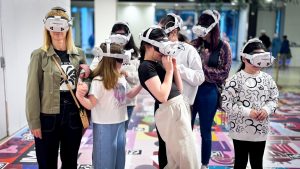
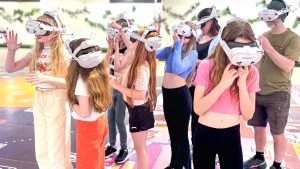
- Before the experience: Staff explain what will happen in simple, clear language. Children see the space, try on the headset, and understand they are in control before anything starts.
- During the first minute: The virtual environment appears gradually — not as a sudden jump into an intense world. The opening of each experience is deliberately calm and inviting.
- If nervousness persists: The child simply lifts the headset off. They are immediately back in the real room with their parents. No fuss, no process, no waiting.
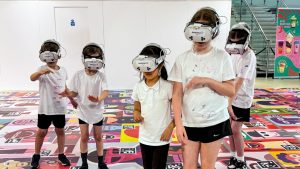
- Returning when ready: Many children who pause initially choose to try again after a minute. Seeing their parents enjoying the experience and understanding they can leave anytime removes the anxiety.
Real Example
A young visitor arrived for the Alice in Wonderland experience visibly hesitant. She held her parent’s hand and was unsure about putting on the headset. A staff member explained that she could try it for just a moment and take it off whenever she wanted.
She put it on, saw the colourful Wonderland environment appear around her, and within 30 seconds was walking forward on her own. By the end of the experience, she did not want to leave. Her parent later said it was the highlight of their London trip.
This is a common pattern. The hesitation is real but brief. The control is what makes the difference.
Why Story-Led VR Is Different from Gaming VR
The reason some children are scared of VR is because their reference point is gaming — fast, loud, unpredictable. Story-led VR like Immersia XR is fundamentally different.
There are no enemies chasing you. No timers counting down. No sudden loud noises. No darkness or horror. The environments are designed to inspire wonder, not adrenaline. Alice in Wonderland features colourful gardens and a whimsical tea party. Moon Landing recreates the quiet awe of walking on the lunar surface.
Should You Be Concerned?
For most families, initial hesitation lasts only a few minutes. If your child is particularly sensitive to new environments, consider:
- Explaining what will happen before you arrive
- Choosing Alice in Wonderland as a first experience (the most gentle and colourful option)
- Letting them watch you try the headset first
- Reassuring them they can remove it at any moment
FAQ
Can my child stop the experience at any time? Yes, immediately. Remove the headset and you are back in the real room. No waiting, no process.
Do most children continue after feeling nervous? Yes. Most children who hesitate initially are fully engaged within the first few minutes once they understand they are in control.
Is there staff support available? Yes, throughout the entire experience. Staff are physically present in the space and can assist immediately.
Which experience is best for a nervous child? Alice in Wonderland is the gentlest option — bright, colourful, and whimsical. It is the most popular first experience for younger or more cautious visitors.
See How Your Child Responds
You can try the experience together at Waterloo Station. Most parents are surprised by how quickly nervousness turns to excitement.
Book now — use code XREASTER20 for 20% off.
Internal Links: Is Immersia XR safe for children? | Is VR scary for kids? | Things to do in London with kids